
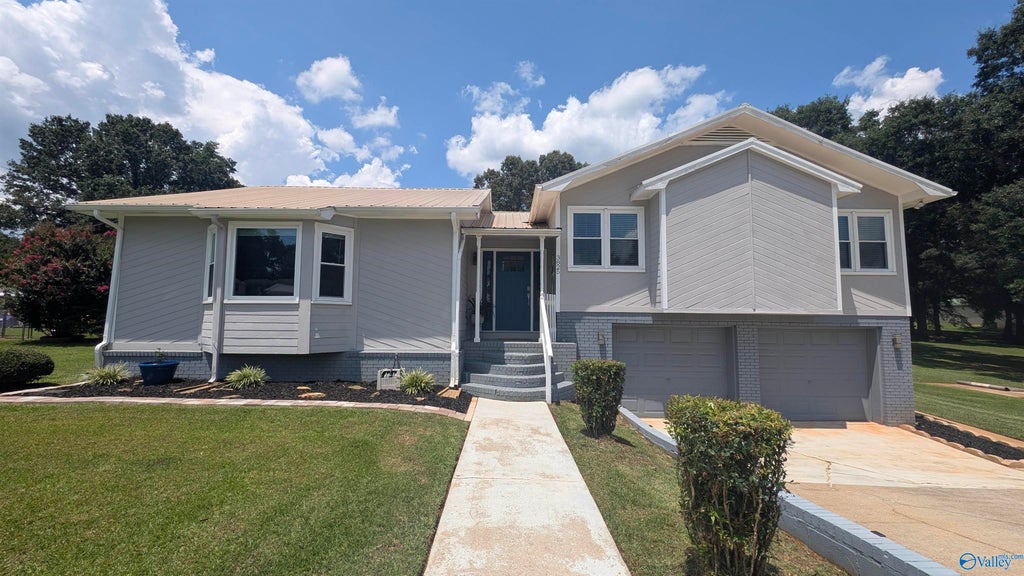
A vacant Alabama house needs a plan, not just a for-sale sign
A vacant house can become a second job for an owner who has relocated, inherited property, ended a rental, moved for work, or already purchased another home. The mortgage, insurance, utilities, lawn, security, repairs, and mail continue even when no one is living there. Distance makes each small problem harder to see and more expensive to ignore.
This guide goes deeper than the general remote-selling process. It focuses on the weeks before listing: protecting an empty property, deciding what work is worth doing, building a dependable local system, and preparing the home for buyers without making repeated trips to Alabama.
If you need to sell a vacant house in Gadsden, Etowah County, or elsewhere in Northeast Alabama while living out of state, the first goal is not perfection. It is control. You need to know the home's current condition, who may enter, what it costs to carry, and which selling path fits your priorities.
First, confirm whether the home is vacant or merely unoccupied
Insurance companies may treat a vacant home differently from a furnished home that is temporarily unoccupied. The policy language, length of vacancy, reason for the move, remaining contents, maintenance, and insurer all matter. Do not assume that continuing to pay the same premium means every loss will be covered.
Contact the insurance company or agent promptly, explain the actual occupancy status, and ask what the policy requires in writing. The National Association of Insurance Commissioners warns that vacant or unoccupied homes can create loss and liability exposure that a standard homeowners policy may not cover. Ask about vacancy restrictions, required inspections, security measures, water precautions, and whether a different policy or endorsement is needed.
Keep appropriate coverage active through closing. Canceling too early can leave the property exposed, violate mortgage requirements, or create a problem if the sale is delayed.
- Tell the insurer when the last resident moved out
- Describe whether furniture and personal property remain
- Ask how the policy defines vacant and unoccupied
- Confirm any required frequency of property checks
- Ask whether theft, vandalism, water damage, glass, and liability remain covered
- Keep the lender and closing timeline in mind before changing coverage
Build a local property-check routine before listing
An absentee owner needs one dependable local system rather than a loose group of people who assume someone else is watching the house. Choose who will check the exterior and interior, how often checks will occur, what will be documented, and who should be contacted when something changes.
A useful check is more than driving past the mailbox. The person should look for storm damage, leaks, unusual odors, pests, HVAC failure, standing water, broken windows, damaged locks, fallen limbs, overgrown vegetation, mail accumulation, and signs that someone has entered. Date-stamped photographs create a simple record and make it easier to compare conditions over time.
Your insurance company may have its own requirements, so the schedule should follow the policy rather than an internet checklist. After severe weather, contractor access, a showing problem, or an extended cold or hot period, an additional check may be sensible.
- Exterior doors, windows, locks, and garage access
- Roof, gutters, ceilings, plumbing, and visible moisture
- Thermostat, HVAC operation, and indoor temperature
- Electrical panel, water heater, crawlspace, and basement access
- Lawn, trees, driveway, steps, decks, and railings
- Mail, packages, notices, and signs of unauthorized entry
Decide which utilities should stay on
Turning off every utility may reduce a bill, but it can also make the home harder to protect, inspect, appraise, photograph, and show. Buyers need to see that lights, plumbing, HVAC, appliances, garage doors, and other systems operate. A dark, stale, uncomfortable home can also feel more neglected than it is.
The correct setup depends on the season, property, insurance requirements, well or septic systems, and whether anyone will maintain the home. Keep only the services that support safety, property protection, and the sale. Set the thermostat appropriately, monitor bills for unusual usage, and make sure the person checking the property knows where shutoffs and panels are located.
Do not disconnect water or winterize the property without coordinating with the insurer and the professionals involved. An action that protects one house may complicate an inspection or damage another system.
Remove the signs that make an empty house look unattended
A vacant property does not need to look occupied, but it should look actively maintained. Overflowing mail, tall grass, advertising flyers, unsecured trash cans, dead exterior lights, and packages at the door announce that no one is paying attention.
Arrange lawn service, leaf removal, seasonal exterior care, and prompt storm cleanup. Use USPS change-of-address or forwarding options when appropriate, and ask about the additional authorization required when handling mail for a deceased owner. Remove valuables and sensitive records before photographs or showings.
Timers, cameras, leak sensors, and smart thermostats may help, but they are supplements—not substitutes—for physical checks. Any recording device should be used lawfully and managed so buyers' privacy is respected during showings.
- Forward or regularly collect mail
- Remove prescription medicine, firearms, jewelry, financial records, and spare keys
- Secure sheds, crawlspaces, gates, and detached buildings
- Keep the street number easy to see for agents and emergency services
- Use a controlled lockbox rather than hiding a key
- Review access records after contractors and showings
Document the condition before authorizing repairs
Remote owners are vulnerable to two expensive mistakes: repairing too little because the problem is out of sight, or approving too much because every recommendation sounds urgent. Start with a documented walk-through before choosing a contractor or a listing price.
Separate active damage and safety concerns from cosmetic preferences. A roof leak, failed HVAC, plumbing problem, unsafe step, pest issue, or unsecured door deserves a different response than dated paint or an older countertop. Ask for photographs, written scopes, itemized estimates, license or insurance information when applicable, and completion photos before payment.
Use traceable payment methods. Do not give an unknown vendor unrestricted access or permission to remove materials and contents. When several owners are involved, establish who may authorize work and the dollar amount that requires written approval.
Choose among three realistic selling paths
A vacant house does not automatically need a full renovation, and selling as-is does not mean accepting the first discounted offer. The best path depends on condition, carrying costs, location, likely buyer financing, available cash, and how quickly the owner wants the responsibility to end.
- Current-condition market sale: clean, secure, disclose known issues, and price for the home's actual condition while still exposing it to the broader market
- Selective preparation: address safety, function, cleanliness, access, and a short list of presentation items with a reasonable chance of improving buyer response
- More complete preparation: use when the location, price range, condition, budget, and likely return support a larger project and the owner can tolerate the additional time and oversight
Calculate the monthly cost of waiting before choosing repairs
Absentee owners often compare a repair estimate with zero, but zero is not the alternative. The real comparison includes the cost of keeping the property another month. Add the mortgage, taxes, insurance, utilities, lawn care, property checks, pest service, association dues, minimum maintenance, and the risk of an unexpected problem.
If the vacant house costs $1,800 per month to carry, a three-month project begins with $5,400 in additional holding expense before the first repair is counted. That does not mean every fast sale is better. It means time belongs in the same calculation as price.
Request an estimated seller net for more than one scenario. Compare a realistic current-condition price and timeline with a prepared-home price, improvement budget, carrying period, and possible concessions. The highest projected sale price may not produce the best net result.
Prepare the home for remote photography and showings
Vacant rooms can photograph cleanly, but they also reveal every scuff, damaged blind, loose wire, and unfinished repair. Complete cleaning and agreed work before professional photography. Replace burned-out bulbs with consistent lighting, open or remove damaged window coverings, clear counters and floors, and make sure every room and outbuilding can be accessed safely.
A few rooms may benefit from light staging when scale or purpose is unclear. Virtual staging should be disclosed and should not hide defects or represent improvements that do not exist. The goal is to help buyers understand the space, not to disguise the property's condition.
Set a showing protocol for lights, thermostat, locks, gates, alarm systems, and feedback. Your agent should know what to check after a showing and how to respond if a buyer or agent reports a leak, open door, failed system, or other concern.
Price a vacant Alabama home for the buyer it can attract today
Vacancy by itself does not determine value. Buyers respond to location, condition, competition, financing, land, outbuildings, updates, presentation, and the work they believe remains. The fact that an owner is absent should not become an invitation to price the property carelessly.
Use comparable sales that reflect the home's location and condition, then study the active listings competing for the same buyer. Consider whether the property is likely to appeal to an owner-occupant using FHA, VA, USDA, or conventional financing, an investor, or a buyer looking for a renovation project. Financing limitations can affect the buyer pool even when demand is strong.
Do not market the owner as desperate, distant, or unable to care for the house. Market the property accurately, disclose known material information as required, and negotiate from facts: condition, competition, estimated net, timing, and contract risk.
Plan the first 30 days of a remote vacant-home sale
- Days 1–3: confirm insurance, ownership, mortgage information, keys, utilities, mail, and the local person responsible for checks
- Days 4–7: complete a documented property review, gather estimates, and separate urgent condition issues from optional improvements
- Days 8–12: review market value, likely buyer type, carrying costs, estimated net, and the three possible preparation paths
- Days 13–20: complete approved work, cleanout, lawn care, cleaning, safety corrections, and document storage
- Days 21–24: verify systems and access, prepare disclosures and property records, and finalize pricing and showing instructions
- Days 25–27: complete professional photography and review the listing for factual accuracy
- Days 28–30: launch the property, monitor showing access and feedback, and keep the property-check schedule active
What absentee owners should know about Alabama closing
Many sale documents can be handled electronically, but not every document or situation is identical. Ask the Alabama closing attorney or title professional early who must sign, whether remote notarization or original documents are needed, and how proceeds will be delivered.
If the seller is not an Alabama resident, discuss Alabama nonresident real-estate withholding before the settlement statement is prepared. The Alabama Department of Revenue explains that withholding may apply to sales of Alabama real property by nonresident sellers, with exemptions and alternative calculations available in qualifying circumstances. Withholding is not necessarily the final tax owed, so obtain individual tax advice.
Verify wire instructions through a trusted telephone number. Do not rely on a last-minute email changing the recipient, bank, or account. Distance makes secure procedures more important, not less.
Frequently asked questions about selling a vacant house in Alabama
Should I empty the house before calling an agent? No. An early review can help determine what should be kept, removed, donated, sold, or left until a plan is chosen.
Can I sell a vacant Alabama house as-is? Often, yes, but as-is does not eliminate disclosure duties, buyer inspections, lender requirements, or negotiation. Condition and financing still affect the sale.
Do I need to travel to Alabama to list or close? Many owners complete most of the process remotely. The property, ownership documents, closing professional, and signing requirements determine whether a trip or original document is needed.
Should I turn off all utilities? Not automatically. The insurer, season, systems, showings, inspection, appraisal, and property-protection plan should guide that decision.
Who watches the house after it is listed? That responsibility should be assigned clearly. A listing agent manages the sale and access, but property checks, lawn care, utilities, and emergency response should be agreed upon rather than assumed.
Local help for a vacant Northeast Alabama property
With 19 years of real estate experience and more than 450 successful sales, I help absentee owners understand what is happening at the property, what deserves attention, and what may not improve the bottom line. My role is to give you local information, documented choices, and a manageable plan—not pressure you into a particular timeline.
I serve sellers in Gadsden and Etowah County, as well as Calhoun, Cherokee, DeKalb, Marshall, St. Clair, and Blount counties. Whether the home became vacant after a relocation, inheritance, rental, downsizing move, or another life change, we can begin with a private conversation about condition, value, carrying cost, and the practical steps required to sell.
Smart marketing. Straight answers. No pressure.
Plan the sale of your vacant Alabama house
- Review your property options
- Request a personal home-value conversation
- Selling an Alabama home when you live out of state
- Sell as-is or make repairs first?
- Selling an inherited home in Alabama
- Explore Northeast Alabama communities
- Free seller guides and net-sheet workbook
- NAIC: Insurance considerations when leaving a home
- USPS: Change of address and mail forwarding
- Alabama Department of Revenue: Nonresident real-estate withholding
- FTC: What to know before wiring money